
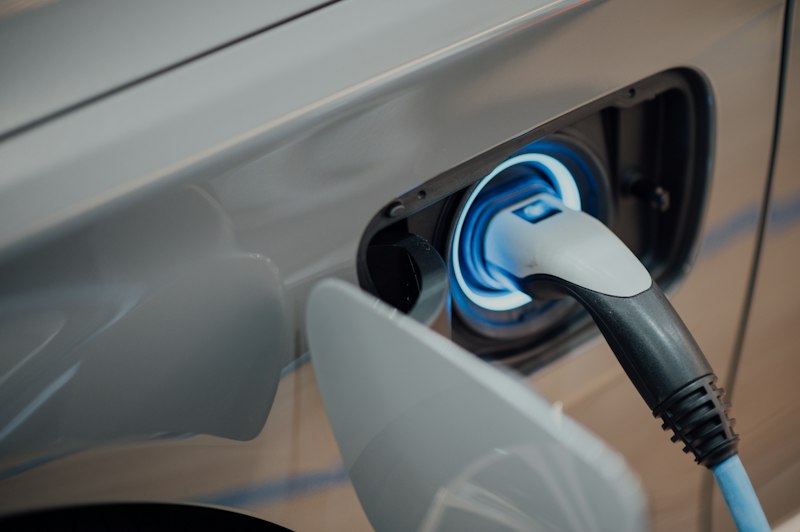
Electric vehicle ownership in the United States has passed 10 million and continues to accelerate. Most EV owners charge primarily at home — and for good reason: home charging is cheaper per mile, more convenient, and lets you start every day with a full battery. But a home EV charger installation involves more than running an extension cord.
Level 1 vs. Level 2: the real difference
Every EV comes with a Level 1 charging cable that plugs into a standard 120V outlet. This is the slowest option: most EVs gain roughly 3 to 5 miles of range per hour of charging. For a short commute or a plug-in hybrid, Level 1 may be adequate. For a long-range EV with an 80kWh+ battery, Level 1 alone isn't practical — a fully depleted battery could take 40 hours or more to top off. Level 2 charging operates on 240V — the same voltage as a dryer or electric range — and delivers 20 to 60 miles of range per hour.
What your panel can handle — and what it can't
A Level 2 home charger typically requires a dedicated 40-amp or 50-amp circuit on a 240V branch. Before any equipment is ordered, an electrician needs to assess your panel's available capacity. A 100-amp panel serving a home near its load limit may not have room for an EV circuit without upgrading the panel first. A 200-amp panel with available breaker slots can usually accommodate the circuit directly.
Permits and utility coordination
EV charger installation requires a permit in virtually every jurisdiction in the United States. The permit process involves a plan review and at least one inspection by a licensed electrical inspector after the work is complete. Some utilities also require advance notification when significant new electrical loads are added. Your electrician should handle the permit application and schedule the inspection.
Choosing the right charging equipment
The charger unit itself is called an EVSE (Electric Vehicle Supply Equipment). Key specs: amperage output (most homes benefit from a 32A or 48A unit), cable length (18 to 25 feet covers most garage configurations), smart features like scheduling and energy monitoring via app, and weatherproofing if outdoor installation is planned. Major brands include ChargePoint, Grizzl-E, JuiceBox, and Tesla's Wall Connector.
What to expect on installation day
A straightforward installation typically costs $800 to $1,500 all-in including equipment, labor, and permit fees. Costs rise with panel upgrade requirements, long wire runs, conduit through finished walls, or trenching for exterior conduit paths. The majority of standard installations complete in a single day.
Ready to find a Electrical professional?
Every contractor on Smart Choice is local and professional, with reviews from real homeowners. Getting quotes is free and takes about two minutes.
Contributing writer at Smart Choice Constructions with expertise in home improvement, contractor selection, and residential construction.